Income Tax Return AY 2026-27 Filing Starts Today: ITR-1 & ITR-4 Utilities Live on e-Filing Portal – Deadline July 31, Know Who Can File Sahaj and Sugam
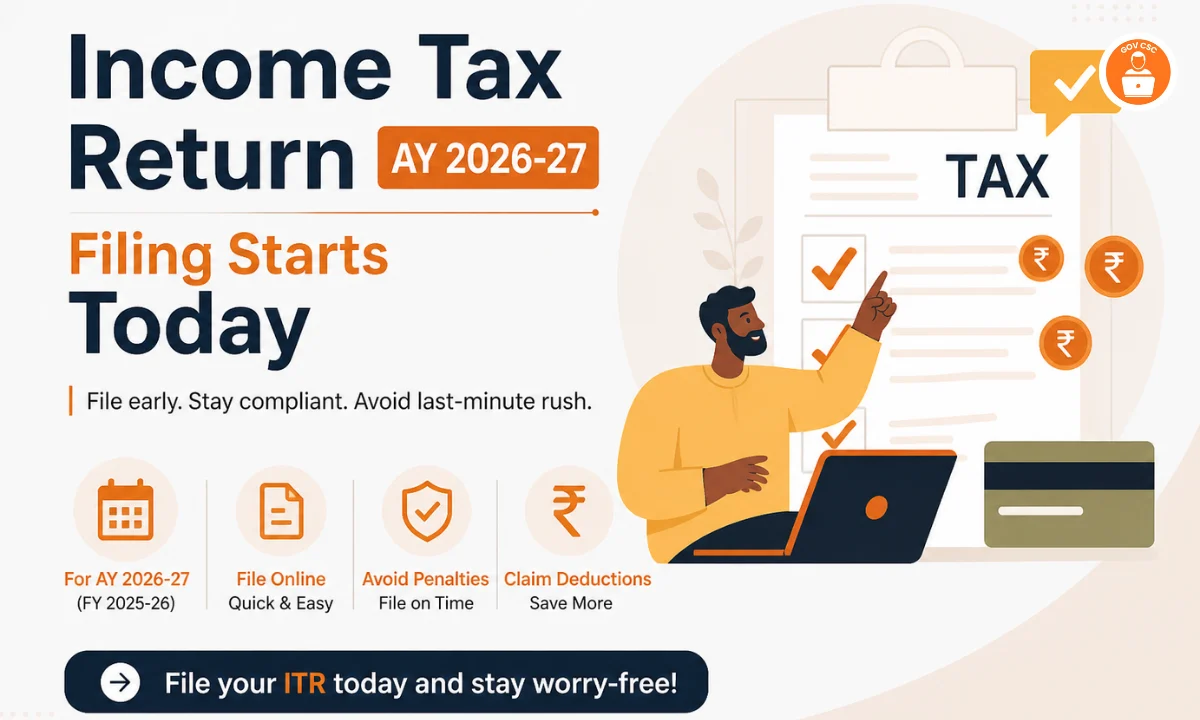
The Income Tax Department has enabled the Excel utilities and online filing for ITR-1 (Sahaj) and ITR-4 (Sugam). Whether you are a salaried employee or a small business owner, it's time to get your documents in order.
Income Tax Department ने Assessment Year 2026-27 (Financial Year 2025-26) के लिए ITR filing का आगाज कर दिया है. 15 मई 2026 सुबह से ही e-Filing portal पर ITR-1 (Sahaj) और ITR-4 (Sugam) के लिए Excel utilities और online filing को enable कर दिया गया है.
Tax department ने खुद X (पूर्व Twitter) पर यह जानकारी साझा करते हुए लिखा – “Attention taxpayers! The Excel utility and Online filing for ITR-1 and ITR-4 for AY 2026-27 has been enabled and is now available for taxpayers on the e-Filing portal.” इस साल non-audit individual taxpayers (salaried employees, pensioners) के लिए ITR filing की अंतिम तिथि 31 जुलाई 2026 है. लेट फाइल करने पर Section 234F के तहत ₹5,000 तक का penalty लग सकता है.
इस बार की सबसे अहम बात यह है कि department ने पिछले सालों के मुकाबले उपयोगिताएं थोड़ी देरी से जारी की हैं (करीब 45 दिन). लेकिन अब फाइलिंग शुरू हो चुकी है, और एक्सपर्ट्स सलाह दे रहे हैं कि जल्दबाजी न करें.
पहले अपनी Form 26AS, AIS (Annual Information Statement) और pre-filled data को अच्छी तरह reconcile कर लें, फिर फाइल करें. क्योंकि data mismatch की स्थिति में income tax notice आ सकता है. यह लेख आपको ITR-1 और ITR-4 की पूरी जानकारी, eligibility, new changes, due dates, और common mistakes को समझाएगा.
Key Takeaways On Income Tax Return AY 2026-27
- ITR-1 (Sahaj) और ITR-4 (Sugam) की Excel utility और online filing अब e-Filing portal पर available हैं.
- Non-audit cases (salary, pension, one house property) के लिए due date: 31 July 2026.
- Audit cases के लिए due date: 31 October 2026.
- Belated return (late fee के साथ) दाखिल करने की last date: 31 December 2026.
- New Tax Regime अब भी default है. आप Old Tax Regime (80C, HRA deductions के साथ) opt कर सकते हैं, लेकिन business taxpayers को Form 10-IEA समय पर file करना होगा.
- ITR-1 के लिए total income limit: ₹50 लाख.
- ITR-1 में अब up to 2 house properties report कर सकते हैं (पहले 1 house property थी).
- ITR-1 में Section 112A के तहत long-term capital gain (LTCG) ₹1.25 लाख तक report किया जा सकता है.
- ITR-4 उन taxpayers के लिए है जो presumptive taxation (44AD/44ADA/44AE) opt करते हैं (business/profession income up to ₹50 लाख).

Who Can File ITR-1 (Sahaj)? (कौन फाइल कर सकता है?)
ITR-1 को “Sahaj” भी कहा जाता है. यह सबसे सरल फॉर्म है और इसे ज्यादातर salaried individuals, pensioners, और retirees भरते हैं.
Eligibility Criteria:
- आप resident individual (ordinary resident) होने चाहिए.
- आपकी total income ₹50 लाख या उससे कम हो.
- आपकी income के sources ये होने चाहिए:
- Income from salary/pension
- Income from one or two house properties (new change: पहले सिर्फ एक house property report कर सकते थे, अब दो कर सकते हैं)
- Income from other sources (like savings account interest, fixed deposit interest, family pension, etc.)
- Agricultural income up to ₹5,000
- Long-term capital gains (LTCG) under Section 112A up to ₹1.25 lakh (provided no capital losses to be carried forward)
Who CANNOT file ITR-1?
- अगर आपकी total income ₹50 लाख से ज़्यादा है.
- अगर आपके पास income from business or profession है.
- अगर आपके पास short-term capital gains (STCG) हैं (जैसे stocks पर STCG).
- अगर आपके पास LTCG under Section 112A है जो ₹1.25 लाख से ज़्यादा है.
- अगर आपके पास more than two house properties हैं.
- अगर आपके पास lottery winnings, race horses, या Section 115BBDA या 115BBE के तहत special rate पर taxable income है.
- अगर आप non-resident (NR) या not-ordinarily resident (NOR) हैं.
- अगर आपके पास foreign assets या foreign income है.
Who Can File ITR-4 (Sugam)? (कौन फाइल कर सकता है?)
ITR-4 का नाम “Sugam” है. यह उन small business owners, freelancers, और professionals के लिए है जो presumptive taxation scheme opt करते हैं.
Eligibility Criteria:
- आप resident individual, HUF, या partnership firm (excluding LLP) हो सकते हैं.
- आपकी total income ₹50 लाख या उससे कम हो.
- आपने presumptive taxation के प्रावधानों को opt किया हो:
- Section 44AD: business income (turnover up to ₹2 crore)
- Section 44ADA: professional income (gross receipts up to ₹50 lakh)
- Section 44AE: goods carriage के मालिक
Who CANNOT file ITR-4?
- अगर आपकी income salary or pension से आती है.
- अगर आपके पास more than one house property है.
- अगर आपके पास capital gains हैं (STCG या LTCG).
- अगर आपके पास foreign assets या foreign income है.
- अगर आप non-resident हैं.

Due Dates for AY 2026-27
| Taxpayer Category | Due Date |
|---|---|
| Non-audit cases (salaried, pensioners) | 31 July 2026 |
| Non-audit business/profession (ITR-3 & ITR-4) | 31 August 2026 (extended this year) |
| Audit cases | 31 October 2026 |
| Transfer pricing cases | 30 November 2026 |
| Belated return (with late fee) | 31 December 2026 |
| Revised return | 31 March 2027 |
| Updated return (ITR-U) | 31 March 2031 |
Important: अगर आप due date के बाद भी ITR file करते हैं, तो Section 234F के तहत late fee लगेगी:
- ₹1,000 (अगर total income ₹5 लाख से कम है)
- ₹5,000 (अगर total income ₹5 लाख या उससे ज़्यादा है)
New Changes in ITR-1 for AY 2026-27 (क्या बदलाव हुए हैं?)
IT department ने इस बार ITR-1 में कई नए fields और disclosures जोड़े हैं:
- Two house properties allowed: अब आप ITR-1 में up to 2 house properties report कर सकते हैं. पहले सिर्फ 1 की अनुमति थी.
- LTCG up to ₹1.25 lakh allowed: Section 112A के तहत होने वाले long-term capital gains (listed equity shares, mutual funds पर) को ₹1.25 लाख तक ITR-1 में report किया जा सकता है.
- Loan details reporting: अब आपको loans के बारे में नई जानकारी देनी होगी – loan amount, interest rate, bank name, loan account number, etc.
- Enhanced dropdowns for deductions: Chapter VI-A deductions (80C, 80D, etc.) के लिए अब ज़्यादा detailed options हैं. सही deduction code का चयन करना है.
- Aadhaar enrolment ID not valid: अब केवल verified Aadhaar number ही valid है. Aadhaar enrolment ID मान्य नहीं है.
- Disclosure of all active bank accounts: All active bank accounts (except dormant) की details देना अनिवार्य है.
New Tax Regime vs Old Tax Regime – क्या चुनें?
Budget 2023 के बाद से New Tax Regime default है. यानी जब तक आप specifically Old Regime नहीं चुनते हैं, आपकी टैक्स कैलकुलेशन New Regime के हिसाब से होगी.
New Tax Regime (default for AY 2026-27):
- Tax slabs:
- Up to ₹3 lakh: NIL
- ₹3-7 lakh: 5%
- ₹7-10 lakh: 10%
- ₹10-12 lakh: 15%
- ₹12-15 lakh: 20%
- Above ₹15 lakh: 30%
- No deductions allowed under sections 80C, 80D, HRA, etc.
- Standard deduction of ₹50,000 for salaried employees still available.
Old Tax Regime (opt-out required):
- Tax slabs (higher, but deductions allowed):
- Up to ₹2.5 lakh: NIL
- ₹2.5-5 lakh: 5%
- ₹5-10 lakh: 20%
- Above ₹10 lakh: 30%
- Deductions allowed: 80C (up to ₹1.5 lakh), 80D (health insurance), HRA, LTA, home loan interest, etc.
Which one to choose? अगर आपके पास significant deductions हैं (जैसे home loan, PPF, ELSS, health insurance), तो Old Regime बेहतर हो सकता है. अगर deductions कम हैं, तो New Regime simple और beneficial है.
Common Mistakes to Avoid While Filing ITR-1 (गलतियां जिनसे बचें)
Chartered Accountant Abhishek Soni (co-founder, Tax2Win) के अनुसार, पहली बार ITR file करने वालों को इन common mistakes से बचना चाहिए:
- Aadhaar enrolment ID use करना: Only verified Aadhaar number accepted. Enrolment ID rejected.
- Incorrect reporting of LTCG: Section 112A के तहत ₹1.25 lakh तक LTCG report करना, लेकिन अगर loss carry forward करना है तो ITR-1 valid नहीं है.
- Not disclosing all active bank accounts: SBI, HDFC, ICICI – सभी accounts (except dormant) की details देना अनिवार्य है.
- Misreporting loan details: New fields के लिए accurate जानकारी (loan amount, interest, bank name, loan account number) देनी है.
- Filing without reconciling with AIS/26AS: Haste में filing करने से data mismatch हो सकता है, जिससे notice आ सकता है.
- Wrong ITR form selection: अगर आपके पास capital gains हैं या more than 2 house properties, तो ITR-1 file न करें. ITR-2 या ITR-3 file करें.
Step-by-Step Guide to File ITR-1 or ITR-4 (कैसे फाइल करें?)
Method 1: Online Filing (e-Filing portal पर)
- e-Filing portal पर जाएं: incometax.gov.in
- Login करें: PAN या Aadhaar number से.
- ‘e-File’ → ‘Income Tax Return’ पर क्लिक करें.
- Assessment Year: 2026-27 चुनें.
- ITR Form: अपनी eligibility के अनुसार ITR-1 या ITR-4 चुनें.
- Filing mode: ‘Prepare and Submit Online’ चुनें.
- Pre-filled data: अब आपकी salary, TDS, interest income पहले से filled होगी. उसे verify करें.
- Income and deductions भरें: Salary income, house property income, other sources, deductions (if any).
- Tax calculation: System automatically tax calculate करेगा (पहले से paid TDS adjust होगा).
- Verify and submit: E-verify करें (Aadhaar OTP, net banking, या other methods).
Method 2: Offline via Excel Utility (for slower internet or bulk data)
- Excel utility download करें: e-Filing portal से अपने ITR form के लिए Excel utility download करें.
- Data fill करें: सारी income, deduction, tax details भरें.
- Validate and generate JSON file: Utility के अंदर ही ‘Validate’ button पर click करें. सही होने पर JSON file generate होगी.
- Upload JSON on portal: e-Filing portal पर login करें, ‘e-File’ → ‘Income Tax Return’, AY 2026-27 और ITR form चुनें. फिर ‘Upload JSON’ option select करें और JSON file upload करें.
- E-verify करें.
Social Media Reaction X पर क्या चल रहा है?
जैसे ही IT department ने X पर announcement किया, टैक्सपेयर्स और professionals के बीच हलचल मच गई. Tax2Win, ClearTax, और Munim जैसे accounts ने तुरंत utilities share कर दिए.
Positive reactions:
- “@tax2win: ITR-1 and ITR-4 filing for AY 2026-27 is now live… Start early and avoid the last-minute filing rush.”
- “@mdpabari: ITR filing season just got officially started… Deadline: July 31, 2026 (for non-audit cases).”
Frustration (बीते दिनों में):
- “@Basappamv: It’s been 40 days… Why so much delay? Relax Deadlines…” (यह utilities release होने से पहले की पोस्ट थी)
Advice for taxpayers:
- Professionals और CAs सलाह दे रहे हैं कि जल्दबाजी न करें. पहले AIS/26AS को reconcile करें, फिर file करें.
- Salaried individuals को self-file करने के लिए encourage किया जा रहा है, क्योंकि portal में pre-filled data और P&L statements available हैं.
- Complex cases के लिए ultra-cheap filing services से बचने की चेतावनी भी दी गई है.
Documents Required Before Filing ITR (क्या तैयारी करें?)
Filing शुरू करने से पहले ये सारी documents और statements ready रखें:
- Form 16 (employer से) – salary income और TDS के लिए.
- Form 26AS (Tax Credit Statement) – सारी TDS entries check करने के लिए.
- AIS (Annual Information Statement) – सारे financial transactions की detail के लिए (salary, interest, dividend, capital gains, etc.).
- Bank account statements – interest income और TDS entries verify करने के लिए.
- Home loan statement – अगर home loan का principal और interest claim कर रहे हैं.
- Investment proofs – 80C के लिए (PPF, ELSS, LIC, tuition fees), 80D के लिए (health insurance premium).
- Rent receipts / HRA declaration (if claiming HRA exemption).
- Capital gains statement (if you sold stocks, mutual funds, or property) – from broker or registrar.
- Aadhaar card and PAN card.
Pro Tip: Why You Shouldn’t File ITR Immediately (जल्दबाजी क्यों न करें?)
Experts और CAs यही सलाह दे रहे हैं कि अभी से ITR file करने में जल्दबाजी न करें. इसके कारण:
- AIS data incomplete हो सकता है: 15 मई तक AIS में सारी entries update नहीं हुई होती हैं. कई बanks and financial institutions 31 मई तक interest certificates और TDS statements file करते हैं.
- Form 16 update: कई employers अभी Final Form 16 जारी नहीं करते हैं. जल्दबाजी में file करने पर mismatch की नौबत आ सकती है.
- Data mismatch के notices: अगर AIS में कोई extra income entry है जो आपने report नहीं की, तो IT department notice जारी करेगा. सबसे अच्छा है mid-June to mid-July के बीच file करें, जब सारा data reconcile हो जाए.
Final Summary On ITR Filing AY 2026-27
| Particulars | Details |
|---|---|
| Assessment Year (AY) | 2026-27 |
| Financial Year (FY) | 2025-26 (April 1, 2025 to March 31, 2026) |
| ITR forms available now | ITR-1 (Sahaj) and ITR-4 (Sugam) – Excel utility + online filing |
| ITR-1 eligibility | Resident individual, income ≤ ₹50 lakh, salary/pension, up to 2 house properties, other sources, LTCG up to ₹1.25 lakh |
| ITR-4 eligibility | Resident individual/HUF/firm (not LLP), income ≤ ₹50 lakh, presumptive taxation (44AD/44ADA/44AE) |
| Due date (non-audit) | 31 July 2026 |
| Due date (audit cases) | 31 October 2026 |
| Belated return last date | 31 December 2026 (with late fee) |
| Revised return last date | 31 March 2027 |
| Late fee (Sec 234F) | ₹1,000 (if income < ₹5 lakh), ₹5,000 (if income ≥ ₹5 lakh) |
| Default tax regime | New Tax Regime (can opt-out for Old Regime) |
| Official website | incometax.gov.in |
Application Links (Official Resources):
- e-Filing Portal: https://www.incometax.gov.in
- ITR-1 Excel Utility Download: Login → ‘Download’ section → select AY 2026-27 → ITR-1
- ITR-4 Excel Utility Download: Login → ‘Download’ section → select AY 2026-27 → ITR-4
- AIS / Form 26AS: Login → ‘Services’ → ‘Annual Information Statement (AIS)’
Income Tax Return filing ke liye aapke paas abhi 2.5 mahine ka time hai. Jaldbaazi mein na file karein, lekin last week tak bhi wait na karein. Sabse best time hai June end to July 15 – tab tak AIS/26AS ki saari entries update ho chuki hoti hain, aur portal par bhi rush nahi hota.
Agar aapka income sirf salary se hai aur aap standard deduction le rahe hain, to aap khud file kar sakte hain. Lekin agar aapke paas capital gains, multiple house properties, ya business income hai, to kisi CA se consult zaroor karein.
Aur haan – Old Regime aur New Regime ka comparison calculator use karein, kyunki galat regime choose karne se aapko extra tax pay karna pad sakta hai. Happy Filing!
Tags :
Related Posts :




Share This Post